Sustainability is not just a buzz word or a box that needs to be ticked. Being sustainable has huge potential to enhance profitability, brand reputation, and business resilience.
This week, Operations Director Mark Trett, attended a workshop, hosted by the Entrepreneurs Forum, examining the importance of creating sustainable business models, looking at why it’s important to do this in the early stages and how implementing sustainable practices across the business can have a positive impact on growth, customer retention, long-term competitiveness and attracting investments.
A sustainable mindset not only appeals to conscious consumers but also encourages innovation by prompting leaders to rethink waste, energy use, and resource management. When sustainability becomes part of the foundational blueprint rather than an afterthought, organizations often find themselves better equipped to weather market fluctuations, meet evolving expectations, and foster customer loyalty rooted in shared values.
Embedding these ideals within broader organizational frameworks also encourages a more structured approach to governance and accountability. Conversations around environmental impact naturally lead to reflections on risk awareness, prompting leaders to strengthen oversight and adopt tools that elevate decision-making. It is in this progression that the role of www.risktide.com becomes relevant, as understanding and managing risk is essential when pursuing sustainable growth.
By aligning sustainability with robust risk practices, businesses can anticipate challenges, protect their reputations, and navigate emerging demands with clarity. This balanced approach ensures that sustainability is not merely an aspiration but a strategic foundation that supports long-term success.
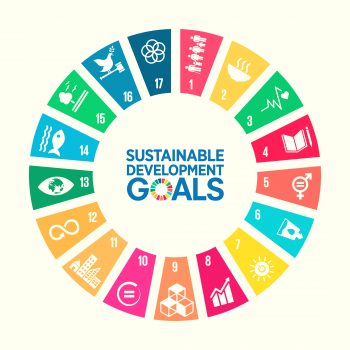
The days speaker, Dr Alex Hope, focused on what sustainability really means, how it can influence brand identity and sustainability measures to implement across all areas of our business. The session was highly interesting and informative, including topics and discussions on Corporate Social Responsibility (CSR), the United Nations Sustainable Development Goals (SDG) and how businesses can achieve net zero, through the use of carbon footprint tools, sustainability and material assessments.
As a business, Central are committed to supporting ESG (Environmental, Social, and Governance) policies, promoting sustainability, and reducing our environmental footprint, aligning economic success with social and environmental responsibilities.